
Septic System

Septic systems come in various sizes and designs, depending on a variety of factors. These include the size of the household, type of soil and landscape, local regulations, and weather conditions. Some of the most common types are gravity systems, mound systems, sand filters, aerobic units, ATU’s (Advanced Treatment Units), pretreatment systems, low-pressure dosing systems, plastic tanks and drip irrigation. Each type of septic system is unique with its own set of advantages and disadvantages.

enzymes

Septic Tank Additives and Bacteria

Septic Tank Additives Overview Septic tank additives marketed to consumers as cleaners, degraders, decomposers, deodorizers, organic digesters, or enhancers do not offer significant benefits and can even interfere with wastewater treatment processes. Such products are not recommended due to the presence of bacteria, enzymes, yeasts, and other microorganisms that help the breakdown of materials in

Septic Tank Additives and Bacteria Read More »

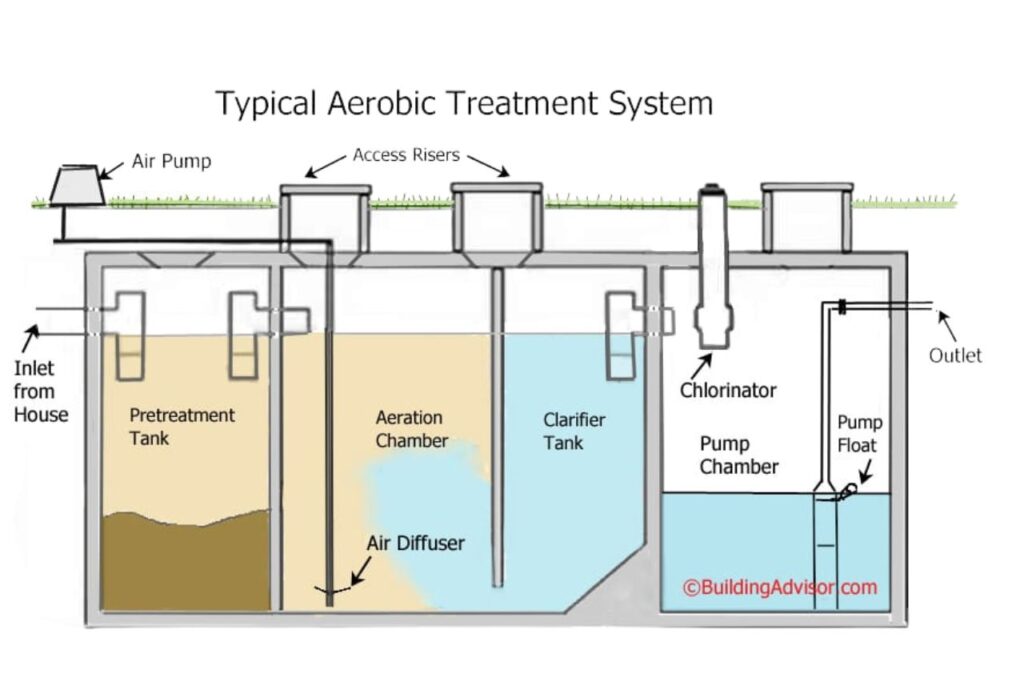
Aerobic Septic System Diagram

The Pros and Cons of Purchasing An Aerobic Septic System

Discover the efficient and eco-friendly solution for homeowners: aerobic septic systems! We’ll explore their benefits and drawbacks, helping you make an informed decision. These systems break down waste effectively with oxygen, promoting cleaner effluent and requiring less maintenance than traditional septic systems. Key Takeaways: What is an aerobic septic system? An aerobic septic system, also

The Pros and Cons of Purchasing An Aerobic Septic System Read More »

jetting

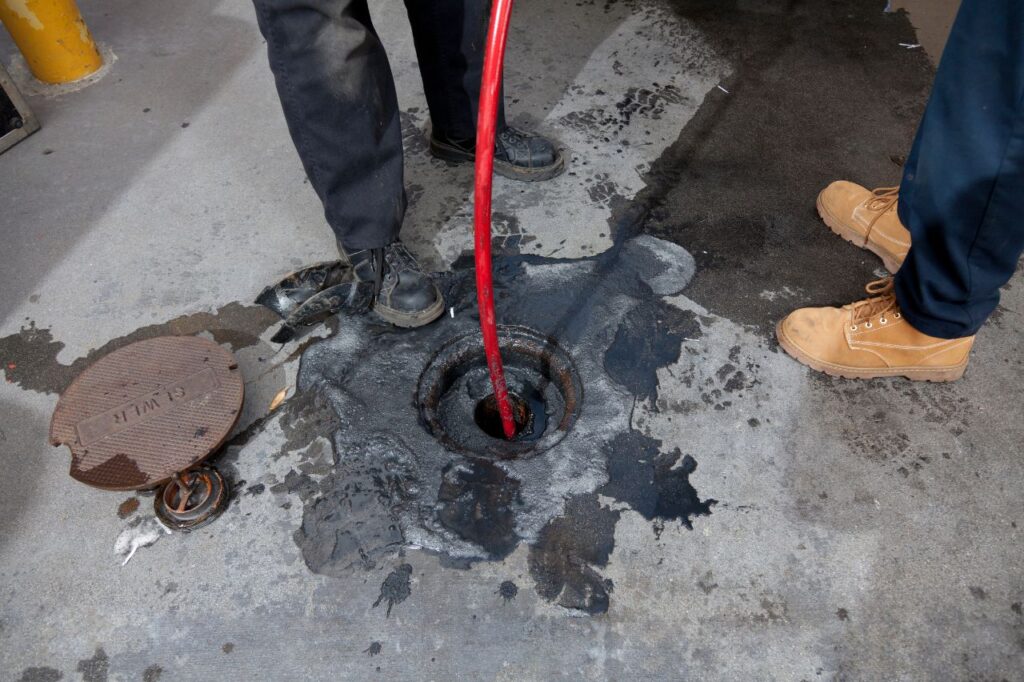
Introduction to Septic System Jetting

Are you tired of the constant headaches caused by septic system problems? Dealing with backups, foul odors, and expensive repairs can be a nightmare for any homeowner. But don’t worry, there’s a powerful solution that can keep your septic system running smoothly – septic system jetting. This innovative method utilizes high-pressure water to effectively clean

Introduction to Septic System Jetting Read More »